Keep moving.
Sprint, crouch, jump and dash through arenas with ramps, stacked floors and side routes. Take the high ground or find another way into the enemy base.
Games / First-person arena shooter
Make the run. Bring it home.
Raid the enemy base for its jug, fight alongside bots, or hold out with friends against waves of plant defenders. Fast movement, varied weapons and a reason to keep pushing.
Work-in-progress prototype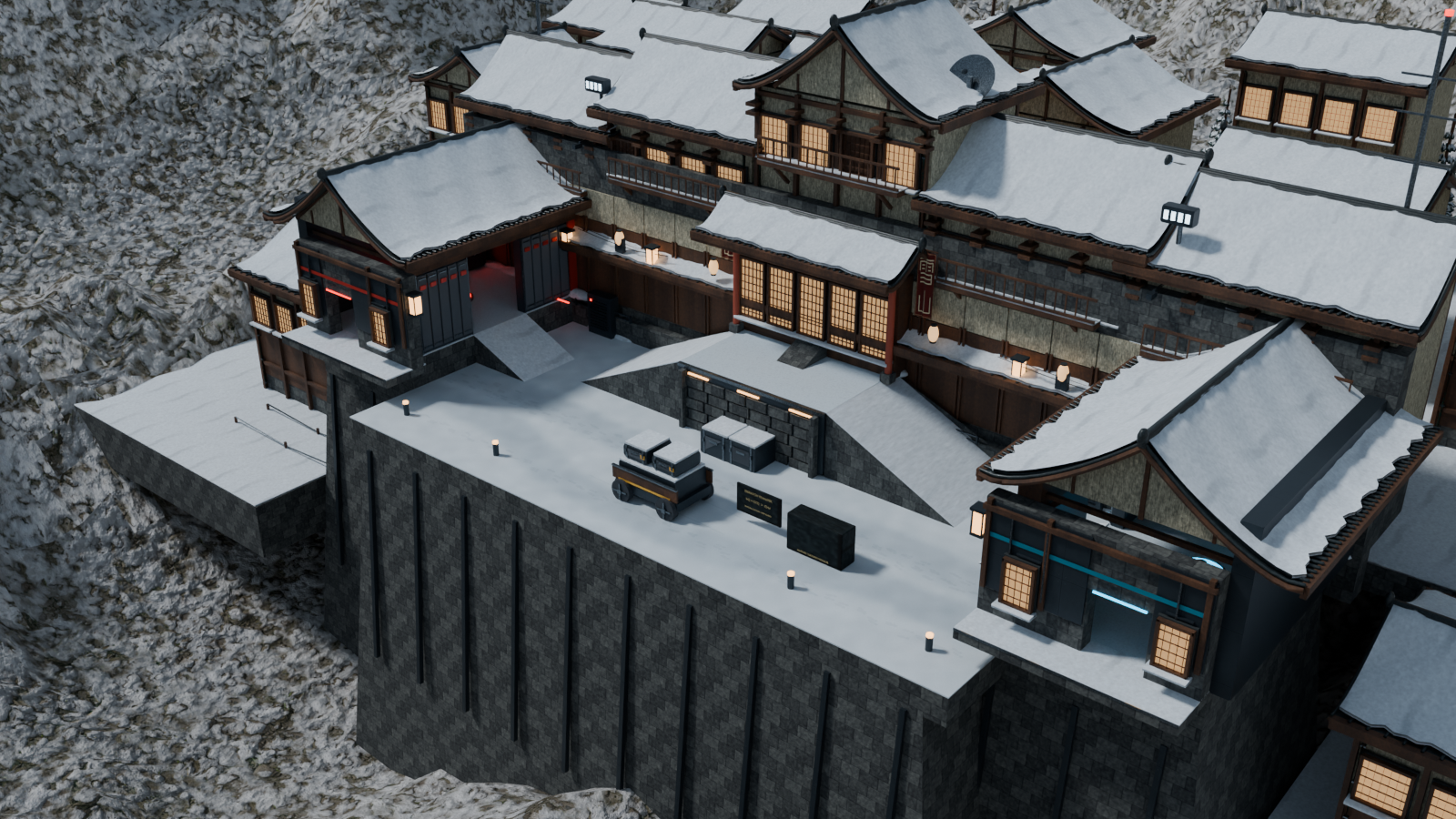
The game
The shot gets you an opening. Movement, route choices and teamwork get the jug back to base.
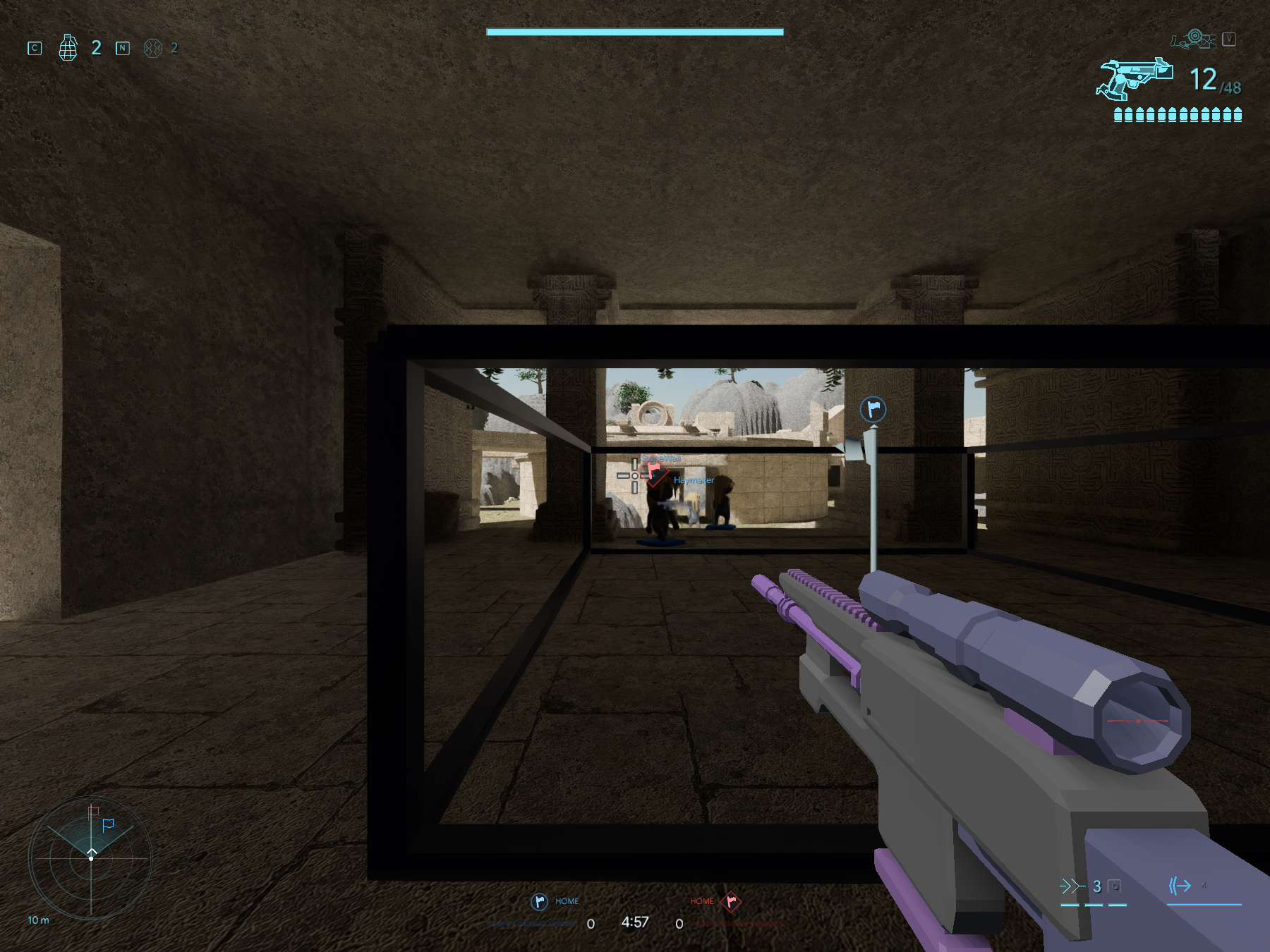
Sprint, crouch, jump and dash through arenas with ramps, stacked floors and side routes. Take the high ground or find another way into the enemy base.
Steal the enemy jug, cover your carrier and recover your own. Getting the jug home takes a team that can attack and defend at the same time.
Competitive respawns bring randomized two-weapon loadouts. Fight with rifles, shotguns, rockets, energy weapons and a sword, swap for dropped weapons, and mix in frag and sticky grenades.
Four ways in
Three competitive modes put a different spin on the jug run. Deadlock brings the team together for an endless survival fight.
Competitive / All maps
Break into the opposing base, pick up its jug and carry it back to your scoring zone. Your own jug must be home to score, so a stolen objective can turn an attack into a rescue mission.
Steal. Escort. Recover. Deliver.
Competitive / Ba Sing Outpost + Central Street
Push through three objectives in order: Outer, Inner and Core. Each capture opens the next section of the enemy base and moves its next jug deeper inside. Capture the Core to win; your delivery point stays put.
Three layers of defense. One final capture.
Competitive / Ba Sing Outpost + Central Street
Jugs stay in place while the fight escalates for both teams. Progression unlocks armories, changes available supplies and opens reserve spawn areas. Keep adapting your attack as the match develops.
Fixed objectives. A changing fight.
Solo or co-op / Ba Sing Outpost + Central Street
Stranded in a hostile plant, hold out against endless rounds of armed crews and security robots. Earn points, buy weapons and upgrades, unlock secured areas and revive teammates. A solo death or team wipe ends the run.
Up to four online survivors. See how far you get.
Inside the arenas
From snowbound outposts to reservoir crossings and neon streets. Explore five featured maps below; select an image for the full view.
Fight between opposing halls across the courtyard. Deep Raid pushes into the bases; Deadlock lets you unlock the tunnel into the surrounding town.
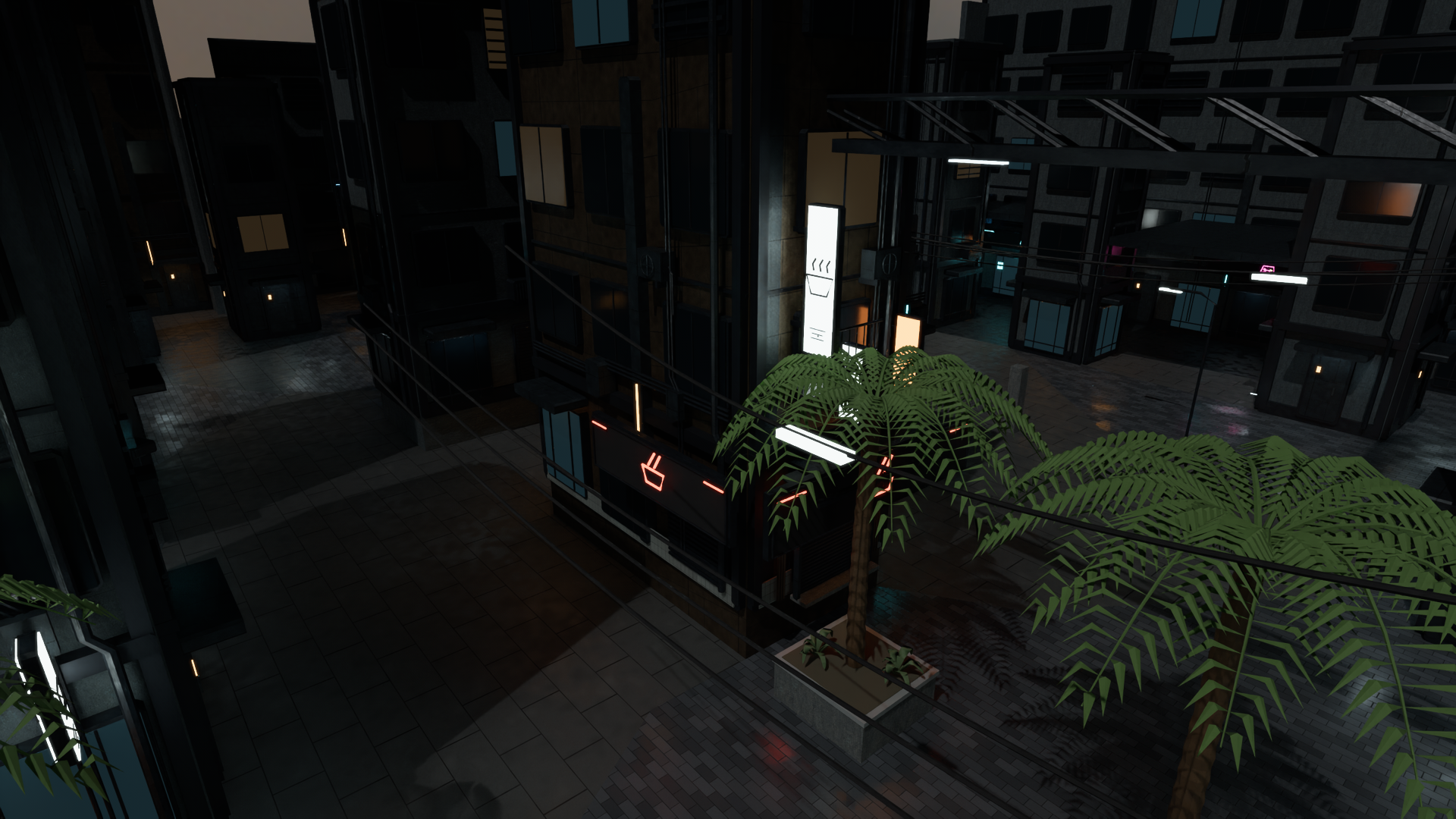
Thread through streets, courtyards and covered passages. The same city hosts competitive jug runs and a Deadlock fight that expands as you buy access to more areas.
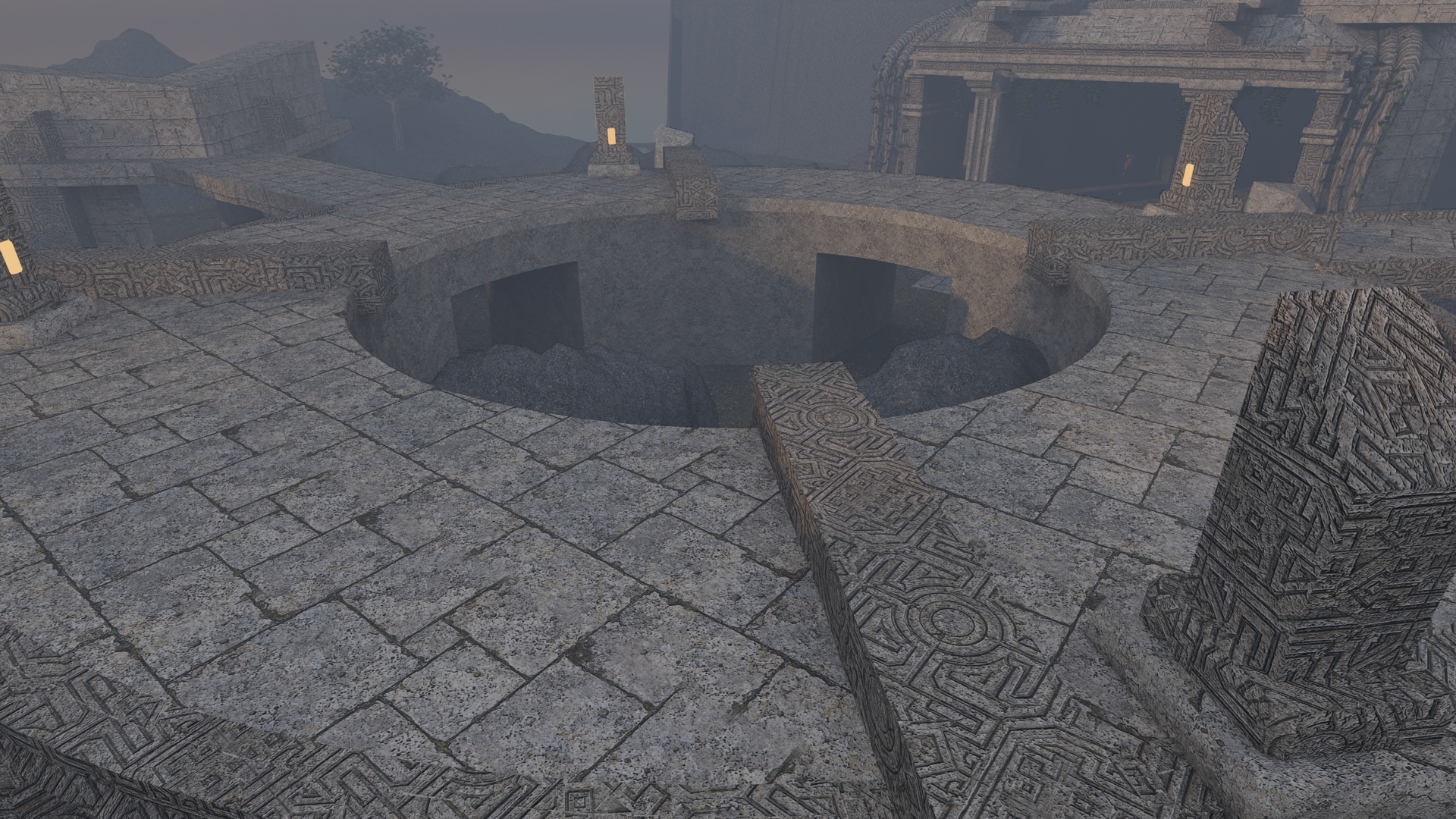
Cross weathered ring bridges between two sanctuaries. Broken masonry, side routes and a central pit make the route home just as important as the approach.
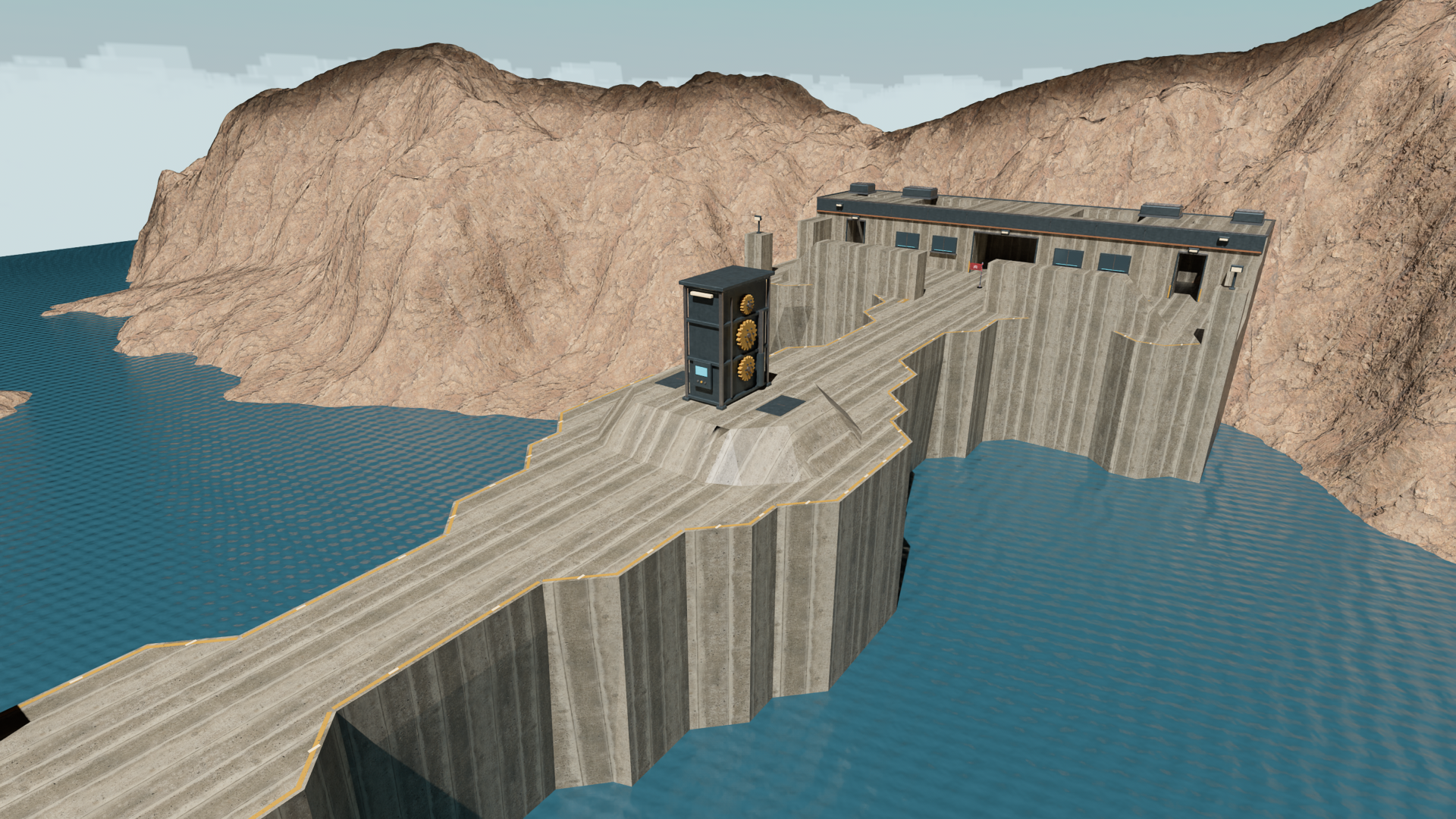
Contest the concrete routes between two control halls above a reservoir. Broad approaches and exposed edges put positioning at the center of each jug run.
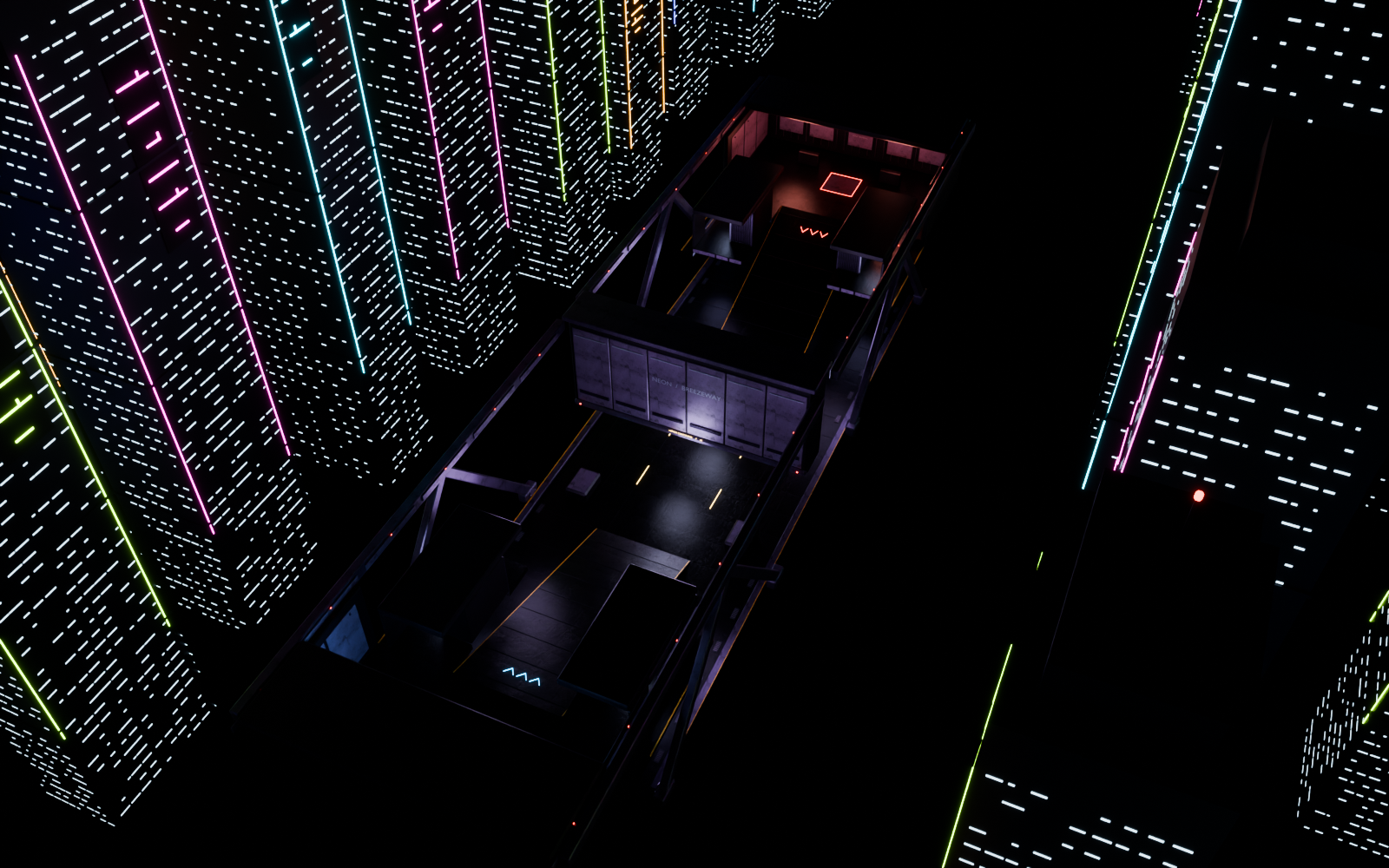
Drop from raised end decks into the lower basin, push up wide ramps or work around the side galleries. A suspended central bulkhead screens the bases from each other.
Also in the Jug Capture lineup: Streets, Off Ramp and Shoestring. Ba Sing Outpost and Central Street support all four modes. Images show prototype map previews.
Planned campaign / The premise
Interstellar shipping depends on methane plants that turn hydrogen and captured carbon dioxide into fuel. Inside removable ceramic reactor modules, hydrogenotrophic methanogens grow into mature biofilms across an enormous internal surface area. A module takes months to establish. Moving one from a working plant can restart a failed reactor in days.
When several colonies lose fuel production at once, Dispatch begins reallocating live modules under an emergency mutual-aid agreement.
In the planned campaign, you enter plants that refuse an allocation, remove the assigned module and carry it to extraction. Crews resist because losing mature growth puts their remaining reactors at risk before a replacement can mature. Dispatch takes it because leaving it there can strand another colony with near certainty.
The transfers work. Plants that accept common cultures recover faster, pushing operators toward similar reactor conditions even when local chemistry favors something else. Dispatch starts choosing donors by measured reactor behavior instead of reported spare capacity. Operators adjust around those rules.
The microbes are selected by the same process. Cultures that survive shutdown, transport and rapid restart spread farther because they keep being moved. Every recovered module restores real fuel production while making the next emergency more dependent on the same transfer system.
The argument shifts from whether the policy works to how much failure risk any one colony can be forced to carry for the rest.
Campaign missions are not yet playable. The current competitive modes turn contested transfers into team jug objectives. Deadlock is the stranded survival scenario: your crew's route out is sealed, defenders keep arriving, and a team wipe ends the run. Surviving a round is not a campaign extraction.
Choose your fight
Play from a first-person view with keyboard and mouse or an Xbox-style controller. Sprint, jump, crouch and dash are part of the core movement kit.
Choose a mode and map locally. In Jug Capture, you join three friendly bots against four enemies. Bots run objectives, escort carriers and defend home. Deadlock also supports solo survival.
Choose a mode with your squad and let matchmaking assign a compatible map. Jug Capture supports teams of up to four human players. Online matches currently use a player host.
Quick Play selects from Jug Capture, Deep Raid and Raid Escalation. For cooperative survival, select Deadlock directly; it has its own queue and can join a run already in progress.